
5 Mistakes to Avoid When Using Bamboo Cutting Boards
Bamboo cutting boards have become a favorite in modern kitchens because they are eco-friendly, durable, lightweight, and naturally resistant to bacteria. Their smooth, dense grain makes them perfect for everyday slicing, chopping, and meal prep — but only if they’re cared for properly. Whether you're using the premium Mosomboo Bamboo Cutting Board (recommended) or another board, avoiding a few common mistakes will dramatically extend its life.
BAMBOO CUTTING BOARD
Naimul
12/2/20252 min read
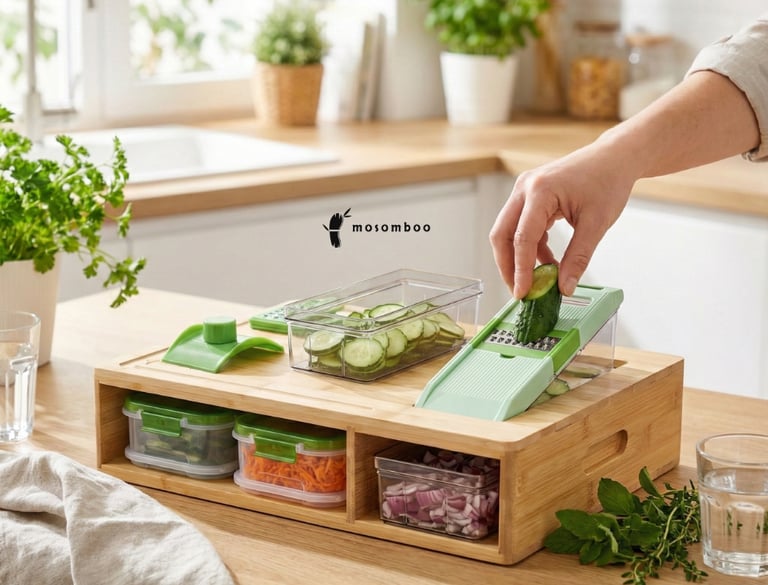
5 Mistakes to Avoid When Using Bamboo Cutting Boards (2025 Guide) Protect Your Board, Improve Hygiene & Extend Durability
Bamboo cutting boards have become a top choice for modern kitchens thanks to their eco-friendly material, long-lasting durability, and natural resistance to moisture and bacteria. Their dense, smooth grain makes them ideal for everyday slicing, chopping, and meal prep—while also being gentler on knives compared to plastic or hardwood boards.
However, despite their strength, bamboo boards can wear out quickly if they’re not cared for properly. Simple mistakes—like soaking, using harsh detergents, or skipping regular oiling—can lead to cracks, warping, stains, and trapped bacteria.
Whether you're using the premium Mosomboo Bamboo Cutting Board (recommended) or another board, avoiding a few common mistakes will dramatically extend its life.
1. Soaking the Board in Water
One of the biggest mistakes people make is leaving their bamboo cutting board submerged in water. Bamboo absorbs moisture quickly, causing:
Warping
Cracks
Weakening of board joints
Correct way:
✔ Rinse immediately after use
✔ Wash quickly using mild soap
✔ Dry upright to allow airflow
2. Putting It in the Dishwasher
Dishwashers expose bamboo to high heat and long water exposure, which can:
Split the bamboo layers
Strip natural oils
Cause irreversible warping
Proper care:
Always hand-wash your bamboo board, no matter how durable it seems.
3. Skipping Regular Oil Treatment
Bamboo needs regular oiling to prevent dryness and cracking. Many users skip this step, which shortens the board’s lifespan.
How often to oil:
Weekly for new boards
Every 2–3 weeks for seasoned boards
Best oil options:
Food-grade mineral oil
Coconut oil
Beeswax conditioner
Oiling keeps your board moisture-resistant, smooth, and long-lasting.
4. Using Harsh Cleaning Agents
Avoid these at all costs:
✘ Bleach
✘ Harsh detergents
✘ Strong antibacterial sprays
These products weaken the bamboo fibers and cause discoloration.
Better alternatives:
✔ Mix of mild dish soap and warm water
✔ Lemon and salt for natural deodorizing
✔ Baking soda paste for deep cleaning
5. Cutting on Both Sides Without Care
Many users flip their board to "extend life," but this can:
Create uneven surfaces
Mix raw and cooked food contamination
Accelerate wear
Best practice:
Designate one side for vegetables/fruit
Use the other side for meat, fish, and cooked foods
Maintain an even surface by rotating carefully, not randomly
Conclusion
A bamboo cutting board can last for years when properly cared for. By avoiding soaking, dishwashers, and harsh chemicals, and by oiling regularly, you preserve its beauty and functionality.
For a durable, eco-friendly, premium-quality option, check out the Mosomboo Bamboo Cutting Board designed for long-lasting performance:
FAQ – Bamboo Cutting Board Care
1. How often should I oil a bamboo cutting board?
Weekly for new boards, then every 2–3 weeks.
2. Can bamboo cutting boards go in the dishwasher?
No. Heat and prolonged water exposure will damage the wood.
3. How do I remove odors from my board?
Rub with lemon and coarse salt, then rinse and dry.
4. What is the best oil to use on bamboo boards?
Food-grade mineral oil. Coconut oil and beeswax conditioners also work.
5. Is bamboo better than plastic cutting boards?
Yes — bamboo is more hygienic, eco-friendly, and gentler on knives.
MOSOMBOO
© Copyright Mosomboo 2022 - 2026. Site Built and Managed by IntelliPath
Follow us on Social
CATEGORIES
MENU
INFO