
Do Bamboo Cutting Boards Warp? Prevention Guide
Do Bamboo Cutting Boards Warp? How to Prevent Warping & Extend Their Life! Learn why bamboo cutting boards warp, how to prevent damage, and the best maintenance tips to keep your bamboo cutting board lasting for years.
CUTTING BOARD
Naimul
6/30/20264 min read
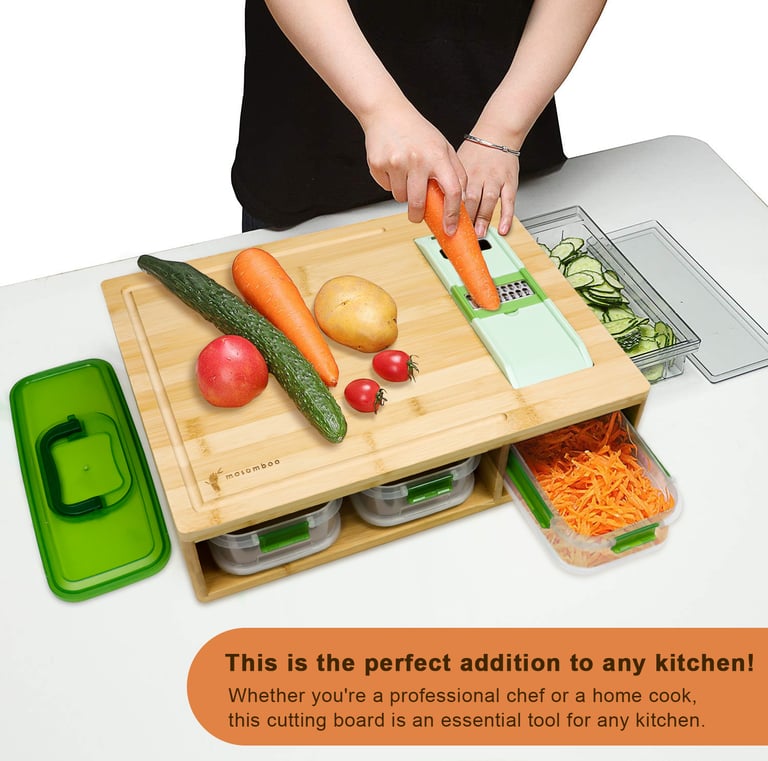
Do Bamboo Cutting Boards Warp? How to Prevent Warping & Extend Their Life (2026 Guide)
Introduction
Bamboo cutting boards have become one of the most popular kitchen essentials in 2026 thanks to their eco-friendly design, natural beauty, and long-lasting durability. Whether you use a traditional bamboo board or a modern smart bamboo cutting board with containers, bamboo offers an attractive and sustainable alternative to plastic and hardwood boards.
However, many people ask the same question: Do bamboo cutting boards warp?
The answer is yes—but only under certain conditions. Fortunately, most warping can be prevented with proper care and maintenance. In this guide, you'll learn why bamboo cutting boards warp, what mistakes to avoid, and how to keep your board looking and performing like new for years.
👉 Explore the Smart Bamboo Cutting Board Set
Why Are Bamboo Cutting Boards So Popular?
Bamboo cutting boards continue to gain popularity because they combine style, functionality, and sustainability in one kitchen tool.
Some of their biggest advantages include:
Renewable and eco-friendly material
Lightweight yet durable
Naturally attractive wood grain
Gentle on quality kitchen knives
Easy to clean and maintain
Perfect for meal prep and serving
Modern versions, such as smart cutting board sets with storage containers and interchangeable graters, make food preparation even more organized and efficient.
Why Do Bamboo Cutting Boards Warp?
Warping occurs when one side of the bamboo board absorbs or loses moisture faster than the other. This uneven expansion and contraction causes the board to bend or twist over time.
Although bamboo is naturally more stable than many hardwoods, it is still a natural material that reacts to changes in moisture and temperature.
Common causes include:
Excessive water exposure
High humidity
Rapid drying
Direct sunlight
Heat from dishwashers or ovens
Improper storage
The good news is that these issues are almost always preventable.
Common Mistakes That Lead to Warping
Leaving the Board Soaking in Water
One of the biggest mistakes is allowing the board to sit in a sink full of water. Prolonged soaking allows moisture to penetrate deeply into the bamboo fibers.
Instead, wash the board quickly and dry it immediately.
Putting It in the Dishwasher
Dishwashers expose bamboo boards to the following:
High heat
Steam
Long wash cycles
Extended moisture
These conditions significantly increase the chance of warping, cracking, and weakening the adhesive between bamboo strips.
Always hand wash your bamboo board.
Drying Only One Side
If only the top surface dries while the bottom remains damp, uneven moisture levels can develop.
After washing:
Wipe both sides dry
Allow air circulation around the entire board
Stand it upright whenever possible
Storing Near Heat Sources
Avoid placing bamboo cutting boards:
Beside ovens
On hot countertops
Near radiators
In direct sunlight
Constant heat removes moisture too quickly and may cause the board to bend.
Never Conditioning the Board
Like other natural wood products, bamboo benefits from occasional conditioning.
Without regular oiling, bamboo gradually loses moisture and becomes more vulnerable to cracking and warping.
How to Prevent Bamboo Cutting Boards from Warping
Keeping your bamboo cutting board in excellent condition is surprisingly simple.
Wash by Hand
Use:
Warm water
Mild dish soap
Soft sponge
Avoid abrasive scrubbers or harsh chemicals.
Dry Immediately
Never leave the board wet.
Instead:
Use a clean towel
Dry both sides
Allow standing airflow before storing
Oil the Surface Regularly
Food-grade mineral oil or bamboo board conditioner helps maintain the board's natural moisture balance.
Depending on use, conditioning once every few weeks is usually sufficient.
Signs your board needs oil include:
Dry appearance
Lighter color
Rough texture
Store It Upright
Standing the board vertically improves airflow around both sides and prevents trapped moisture underneath.
This simple habit greatly reduces the risk of warping.
Avoid Extreme Temperature Changes
Keep your board away from:
Dishwashers
Microwaves
Ovens
Outdoor storage
Freezing temperatures
Consistent room temperature is ideal.
Extra Tips for Long-Lasting Bamboo Boards
Want your bamboo cutting board to last for years? Follow these simple habits:
Clean After Every Use
Quick cleaning prevents stains and food buildup.
Sanitize Naturally
Use a mixture of white vinegar or fresh lemon juice occasionally to reduce odors.
Rotate the Board
Using both sides evenly helps distribute wear over time.
Use the Right Knife
Sharp knives create cleaner cuts and reduce unnecessary pressure on the board.
Avoid Heavy Chopping on Thin Edges
Use the center of the board for heavy food preparation whenever possible.
Why Smart Bamboo Cutting Boards Last Even Longer
Modern cutting board systems, such as the Mosomboo Smart Bamboo Cutting Board Set, are designed to improve both convenience and durability.
Features include:
Premium bamboo construction
Integrated food storage containers
Built-in graters
Organized meal prep workflow
Stable cutting surface
Easy cleaning
Modern kitchen design
With proper maintenance, these cutting boards can remain a reliable part of your kitchen for years.
👉 Shop the Smart Bamboo Cutting Board Set
When It's Time to Replace a Bamboo Board
Even well-maintained cutting boards eventually wear out.
Consider replacing your bamboo board if you notice:
Deep cracks
Severe warping
Splitting layers
Large knife grooves
Loose joints
Persistent odors that won't disappear after cleaning
Replacing a heavily damaged board helps maintain food safety and improves your cooking experience.
Conclusion
Bamboo cutting boards are among the best kitchen investments for home cooks who value sustainability, durability, and style. While bamboo boards can warp under poor care, preventing it is easy with proper cleaning, drying, regular conditioning, and correct storage.
Choosing a high-quality product like the Mosomboo Smart Bamboo Cutting Board Set gives you not only an attractive cutting surface but also a complete meal prep solution with built-in storage and accessories.
With just a few minutes of maintenance each month, your bamboo cutting board can continue serving your kitchen beautifully for many years.
Frequently Asked Questions
Do bamboo cutting boards warp easily?
No. High-quality bamboo cutting boards are naturally resistant to warping, but improper care—such as soaking, dishwashing, or exposure to excessive heat—can cause them to bend over time.
Can a warped bamboo cutting board be fixed?
Minor warping may improve with proper conditioning and careful storage, but severely warped boards usually cannot be restored completely.
How often should I oil my bamboo cutting board?
Most bamboo cutting boards benefit from food-grade mineral oil every 3–4 weeks, or whenever the surface begins to look dry.
Can I wash a bamboo cutting board in the dishwasher?
No. Dishwashers expose bamboo to high heat and excessive moisture, which can lead to warping, cracking, and reduced lifespan.
What is the best way to store a bamboo cutting board?
Store it upright in a cool, dry location with good airflow, away from direct sunlight and heat sources.
MOSOMBOO
© Copyright Mosomboo 2022 - 2026. Site Built and Managed by IntelliPath
Follow us on Social
CATEGORIES
MENU
INFO