
How to Use Bamboo Cutting Boards for Meat, Cheese & Vegetables (Safe & Hygienic Guide)
Modern kitchens are shifting toward eco-friendly, hygienic, and multi-functional tools, and bamboo cutting boards are leading this trend in 2026. Known for their durability, sustainability, and knife-friendly surface, bamboo boards have become a preferred choice for both everyday home cooking and professional food prep. Whether you’re cutting vegetables, handling raw meat safely, or serving cheese platters, a bamboo cutting board provides a clean, versatile, and long-lasting solution for all kitchen tasks. In this guide, you’ll discover how to use bamboo cutting boards for meat, cheese, and vegetables the right way—while improving food safety, preventing cross-contamination, and optimizing your cooking workflow.
CUTTING BOARD
Naimul
3/17/20264 min read
How to Use Bamboo Cutting Boards for Meat, Cheese & Vegetables (Safe & Hygienic Guide 2026)
Introduction: Why Bamboo Cutting Boards Are Trending in 2026
In today’s kitchens, efficiency, hygiene, and sustainability matter more than ever. That’s why bamboo cutting boards are quickly becoming a top choice for home cooks and professional chefs alike.
Whether you're slicing vegetables, preparing raw meat, or arranging a cheese platter, a bamboo cutting board offers a durable, eco-friendly, and versatile solution for everyday cooking.
In this complete 2026 guide, you’ll learn how to properly use bamboo cutting boards for meat, cheese, and vegetables, while maintaining hygiene and maximizing performance.
What Is a Bamboo Cutting Board?
A bamboo cutting board is made from compressed bamboo fibers, creating a strong and lightweight surface ideal for food preparation.
Unlike traditional hardwood boards, bamboo grows faster and is more sustainable, making it a popular choice for eco-conscious kitchens.
It also offers a smooth yet firm surface that protects knives while remaining highly durable.
Why Bamboo Cutting Boards Are a Smart Kitchen Upgrade
Bamboo cutting boards are more than just stylish—they’re highly functional.
Key benefits include:
Eco-friendly and renewable material
Strong and long-lasting
Gentle on knife edges
Lightweight and easy to handle
Naturally resistant to moisture and odors
These features make bamboo one of the best cutting board materials for modern kitchens in 2026.
Using Bamboo Cutting Boards for Cheese
Bamboo cutting boards are perfect for preparing and serving cheese.
They provide a clean, non-porous surface that helps preserve flavor while preventing cross-contamination.
Best practices:
Use a clean board for serving cheese
Slice soft and hard cheeses with separate knives
Present directly on the board for a premium look
Bamboo boards are widely used as cheese boards for entertaining, thanks to their natural aesthetic and functionality.
Using Bamboo Cutting Boards for Meat (Safe Handling Guide)
When preparing raw meat, hygiene is critical. Bamboo cutting boards can be safely used if proper cleaning practices are followed.
Important tips:
Use a separate board for raw meat when possible
Wash immediately after use
Avoid mixing meat with vegetables or ready-to-eat foods
Sanitize thoroughly to prevent bacteria buildup
With the right habits, bamboo boards remain a safe and hygienic option for meat preparation.
Using Bamboo Cutting Boards for Vegetables and Fruits
Bamboo cutting boards are ideal for everyday vegetable and fruit prep.
They provide a smooth surface for slicing, chopping, and dicing while resisting stains and odors.
Why they work well:
Clean surface for fresh produce
Minimal odor absorption
Easy cleanup after use
Perfect for herbs, fruits, and greens
For daily cooking, bamboo boards offer a fast and efficient prep experience.
One Cutting Board vs Multiple Boards: What’s Best?
Many kitchens use multiple boards for different food types, while others prefer a single multi-purpose board.
Best approach:
Use separate boards for raw meat and ready-to-eat foods
Use one board for vegetables and fruits
Keep at least one clean board for serving
This setup ensures better food safety and workflow efficiency.
Cross-Contamination Prevention: Modern Kitchen Safety Tips (2026)
Preventing cross-contamination is essential in any kitchen.
Simple rules to follow:
Never mix raw meat and vegetables on the same surface without cleaning
Wash your hands after handling raw ingredients
Clean the board immediately after each use
Use different knives for different food types
These small habits make a big difference in maintaining a safe and hygienic cooking environment.
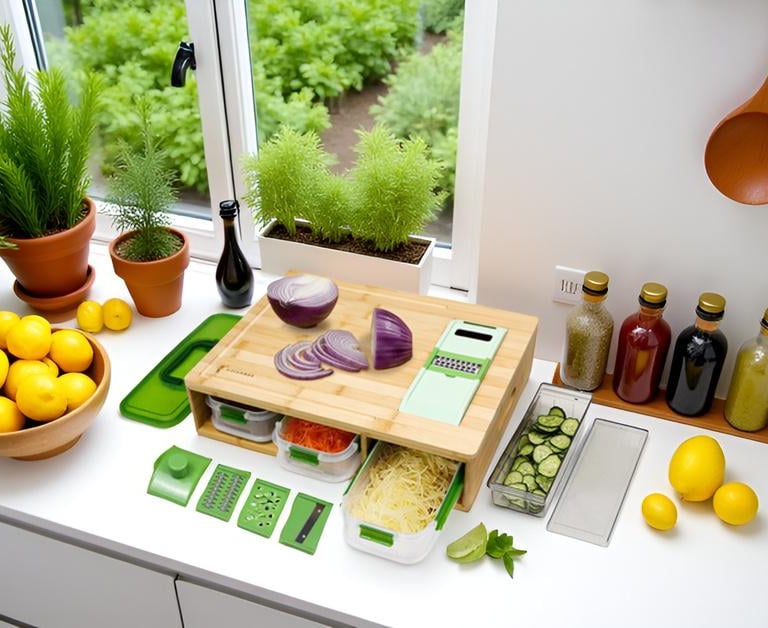
Bamboo Cutting Board with Containers: The Smart Kitchen Upgrade
Modern kitchens demand convenience, and bamboo cutting boards with built-in containers take functionality to the next level.
They allow you to chop ingredients and slide them directly into compartments—keeping your workspace clean and organized.
Benefits include:
Faster meal prep
Less mess on the counter
Better ingredient organization
Ideal for busy kitchens
👉 Buy Now: Mosomboo Bamboo Cutting Board with Containers
Meal Prep Efficiency: Save Time in the Kitchen
Bamboo cutting boards are perfect for meal prepping.
You can quickly chop vegetables, prepare proteins, and organize ingredients without switching tools constantly.
This makes them ideal for:
Batch cooking
Weekly meal prep
Quick everyday meals
Cleaning and Maintaining Bamboo Cutting Boards
Proper care ensures your cutting board lasts for years.
Daily cleaning:
Wash with warm water and mild soap
Dry immediately with a clean towel
Deep cleaning tips:
Use lemon and salt for odor removal
Apply food-safe oil occasionally to maintain durability
Avoid soaking the board in water, as this can weaken the material over time.
Bamboo vs Plastic vs Wood Cutting Boards
Choosing the right cutting board depends on your needs.
Bamboo advantages:
More eco-friendly than plastic
More durable than many softwoods
Naturally resistant to bacteria
Plastic boards may wear out quickly, while hardwood boards can be heavier and more expensive. Bamboo offers a balanced solution for most kitchens.
Common Mistakes to Avoid
To get the best results, avoid these common errors:
Using the same board for raw meat and vegetables
Leaving the board wet after cleaning
Skipping regular maintenance
Using harsh chemicals
Avoiding these mistakes will extend the life of your board and maintain hygiene.
How to Choose the Best Bamboo Cutting Board (Buying Guide 2026)
When selecting a bamboo cutting board, consider:
Size and thickness
Built-in juice grooves
Anti-slip design
Extra features like storage containers
Choosing the right board ensures better performance and long-term value.
FAQ
Can bamboo cutting boards be used for raw meat?
Yes, but always clean thoroughly and avoid cross-contamination.
Are bamboo cutting boards hygienic?
Yes, bamboo naturally resists bacteria when properly maintained.
Do bamboo cutting boards damage knives?
No, they are gentle on knife edges and help maintain sharpness.
How often should I clean my cutting board?
Clean after every use and deep clean regularly.
Conclusion: The Ultimate Kitchen Essential for 2026
Bamboo cutting boards are a must-have kitchen tool in 2026, combining sustainability, durability, and versatility.
Whether you’re preparing meat, slicing vegetables, or serving cheese, they provide a safe and efficient surface for everyday cooking.
With proper care and smart usage, a bamboo cutting board becomes a long-term investment that improves both your cooking experience and your kitchen organization.
MOSOMBOO
© Copyright Mosomboo 2022 - 2026. Site Built and Managed by IntelliPath
Follow us on Social
CATEGORIES
MENU
INFO